
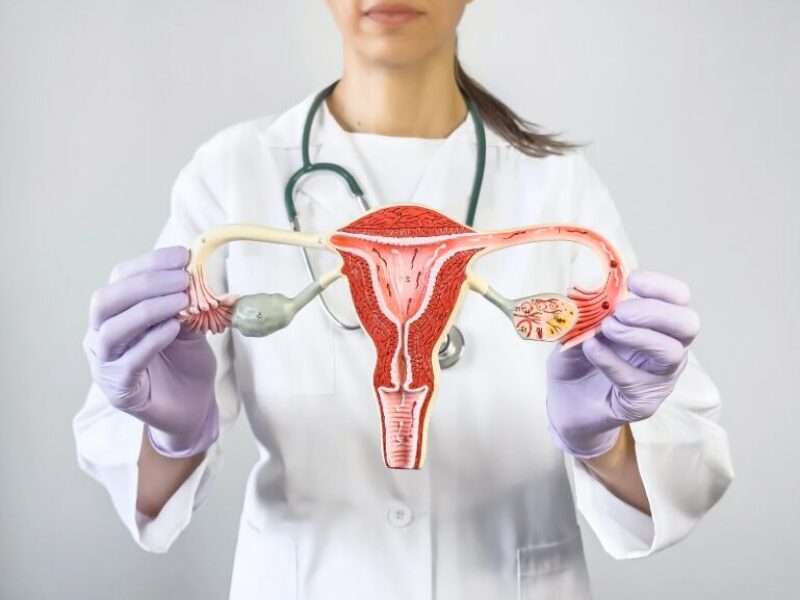
Polycystic Ovary Syndrome (PCOS) is one of the most common hormonal conditions affecting women of reproductive age.
More Than Periods and Fertility
PCOS is often associated with irregular menstrual cycles and difficulty conceiving, but these features represent only part of a much broader condition. PCOS can affect multiple systems in the body, and its signs and symptoms vary widely from person to person. The most common signs and symptoms of PCOS include:
- Irregular periods: Abnormal menstruation involves missing periods or heavy bleeding during periods.
- Abnormal hair growth, acne and thinning of hair: many individuals also experience higher levels of androgen hormones, which can lead to increased facial or body hair growth, persistent acne that continues beyond adolescence, or thinning hair on the scalp.
- Obesity: Between 40% to 80% of people with PCOS have obesity and have trouble maintaining a weight that’s healthy for them.
- Darkening of the skin: You may get patches of dark skin, especially in the folds of your neck, armpits, groin and under your breasts.
- Cysts: Many people with PCOS have ovaries that appear larger or with many follicles on ultrasound.
- Skin tags: Skin tags are little flaps of extra skin. They’re often found in your armpits or on your neck.
- Infertility: Irregular ovulation can make it harder to conceive, making PCOS a common cause of infertility.
Causes
The exact cause of PCOS is unknown. Early diagnosis and treatment along with weight loss may lower the risk of long-term complications such as type 2 diabetes and heart disease.
Factors that might play a role include:
- Insulin resistance: Insulin is a hormone that helps the body use glucose for energy. When the body becomes less responsive to insulin, blood sugar levels rise, prompting the body to produce even more insulin. Elevated insulin levels can stimulate the ovaries to produce excess androgens, which interferes with regular ovulation.
- Excess androgen: When androgen production is increased, eggs don’t develop on a regular basis and aren’t released from the follicles where they develop.
- Low-grade inflammation: White blood cells make substances in response to infection or injury. This response is called low-grade inflammation. People with PCOS have a type of long-term, low-grade inflammation that leads polycystic ovaries to produce androgens. This can lead to heart and blood vessel problems.
- Heredity: Having a family history of PCOS may play a role in developing the condition.
Mental Health Matters
Living with PCOS can affect more than physical health. Irregular cycles, visible symptoms such as acne or excess hair growth, and uncertainty around fertility can take a toll on emotional wellbeing. Many individuals with PCOS experience higher rates of anxiety, low mood, and body image concerns. Recognising these psychological effects is essential, as mental health support is an important part of comprehensive PCOS care.
Management and Treatment
There is no single treatment approach for PCOS, as management depends on symptoms, health goals, and whether pregnancy is desired. Care is usually tailored to the individual and may involve medication, lifestyle support, or a combination of both. Some options include:
- Hormonal birth control: Options include birth control pills, patches, shots, a vaginal ring or an intrauterine device (IUD). Hormonal birth control helps to regulate your menstrual cycle, some forms will also improve acne and help with excess hair growth.
- Insulin-sensitising medicine: Metformin is a drug used to treat diabetes. It works by helping your body process insulin. Once insulin is under control, some people with PCOS see improvements in their menstrual cycles.
- Lifestyle changes: Eating a nutritious diet and maintaining a body weight that’s healthy for you can have a positive effect on insulin levels.
- Drugs to induce ovulation: A successful pregnancy begins with ovulation. Certain drugs have been proven to induce ovulation in people with PCOS. The medications clomiphene and letrozole are taken orally, while gonadotropins are given by injection.
- Surgery: A surgical procedure can help restore ovulation by removing tissue in your ovaries that produces androgen hormones.
- In vitro fertilization (IVF): This is an option for people with PCOS when medication doesn’t help with ovulation. Your provider fertilizes your egg with your partner’s sperm in a lab before transferring it to your uterus.
PCOS may show up as period problems or skin changes, but its effects can last a lifetime. Recognising the signs early allow you to act sooner, shifting care from reaction to prevention and improving health outcomes across the life course.

