
Gestational diabetes mellitus (GDM) is a type of diabetes that can develop during pregnancy due to high blood sugar levels. It occurs when the body cannot produce enough insulin, a hormone that regulates blood sugar to meet the increased needs of pregnancy. GDM can happen at any stage of pregnancy but is more common in the second or third trimester. While it can feel overwhelming to receive this diagnosis, GDM is manageable with proper care, and most women can experience healthy pregnancies and deliver healthy babies.
GDM usually does not cause any symptoms, and it is often diagnosed when blood sugar levels are tested during pregnancy. In some cases, a woman may experience symptoms of diabetes such as increased thirst, tiredness, blurring of vision or increased urinary frequency throughout the day.
Risk factors for GDM
- Over the age of 40 years old
- Being overweight or obese before pregnancy
- Having delivered a baby that weighed more than 4kg at birth
- Having a sibling or parent with type two diabetes or GDM
- Having a condition called polycystic ovarian syndrome
Screening for GDM
The screening test is called an oral glucose tolerance test (OGTT) and is done between 24 to 28 weeks of pregnancy. If you have any risk factors for GDM, you may be offered an OGTT earlier in pregnancy. The OGTT requires fasting for at least 8 to 12 hours prior to the test, followed by three rounds of blood tests after consuming a glucose drink. The test is usually done in the morning and lasts for 2 hours.
Complications of GDM
When GDM is poorly controlled, it can lead to complications such as:
- Pregnancy-induced high blood pressure or preeclampsia.
- Babies born before reaching their full term are more likely to have health problems immediately after birth and in the longer term. These may include issues with their lungs, heart and brain development.
- Increased risk of emergency caesarean section during labour.
Prevention and Treatment
There is no guaranteed way to prevent gestational diabetes, but adopting healthy habits before pregnancy can reduce your risk. These lifestyle choices may also help lower the chances of GDM happening again in future pregnancies, as well as reduce your long-term risk of developing type 2 diabetes.
- Eat healthy foods. Avoid processed food and sugary drinks. Choose a healthy balance of proteins, carbohydrates, fibre and fat. Eat smaller meals more often. While gaining some weight during pregnancy is healthy, gaining too much weight too quickly can raise your risk of GDM.
- Keep active. Exercising before and during pregnancy can help protect you from getting gestational diabetes. Gentle activities such as walking, swimming and prenatal yoga can help reduce blood sugar.
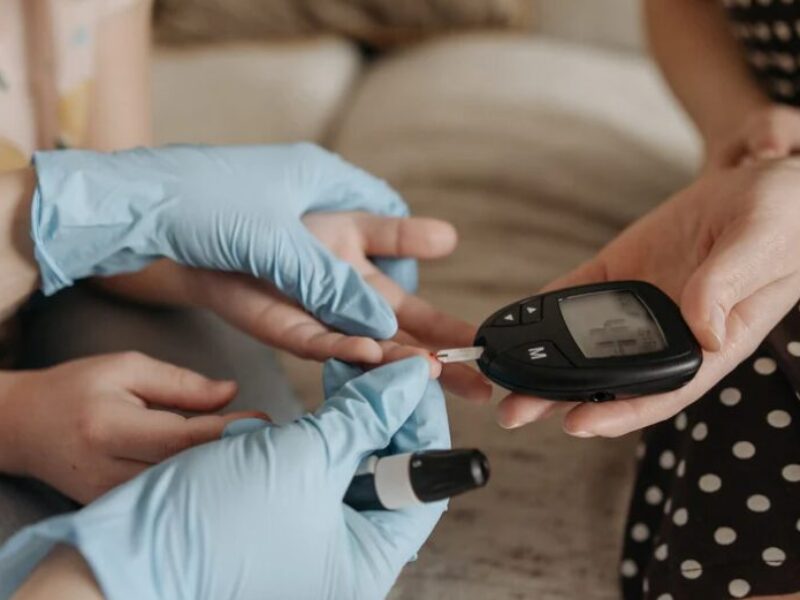
- Monitor your blood sugar regularly. A blood sugar testing kit will be given so you can monitor the effects of treatment.
However, if these changes don’t lower your blood sugar levels enough, you will need to take medicine as well. This may involve tablets or insulin injections.
Although gestational diabetes may feel overwhelming at first, remember that you are not alone, and you have the power to take control of your health. By making informed choices and working closely with your care team, you can support a healthy pregnancy and long-term well-being for both you and your baby.

