
Expert surgeons wield the latest medical instruments with precision and finesse, executing complex minimally invasive procedures with delicacy.
The success rates of these intricate operations have soared, with some studies showing a remarkable reduction in complications and recovery times.
This raises the question of what sets these expert surgeons apart and how they consistently achieve such impressive outcomes.
By combining cutting-edge equipment, such as robotic assistants and high-definition imaging systems, with innovative techniques and meticulous planning, these medical virtuosos are redefining the boundaries of surgical excellence.
As a result, patients can now benefit from minimally invasive procedures that were previously deemed impossible, with many experiencing faster recovery times and fewer side effects.
Minimally Invasive Surgery Procedures Utilize Advanced Laparoscopic Equipment For Precision
Minimally invasive surgery has revolutionised the medical field by providing patients with quicker recovery times and less scarring, utilising advanced laparoscopic equipment for precision.
This approach enables surgeons to perform complex procedures with minimal incisions, reducing the risk of complications and promoting faster healing.
The use of high-definition cameras and specialised instruments allows for enhanced visualisation and dexterity, making minimally invasive surgery a preferred choice for many patients.
Surgeons can now perform intricate procedures with unprecedented accuracy, transforming the lives of countless individuals worldwide.
- Keyhole surgery has become a game-changer in the medical field, offering a minimally invasive alternative to traditional open surgery.
- Selective precision is crucial in laparoscopic procedures, where surgeons rely on advanced equipment to navigate complex anatomical structures.
- Advanced robotic systems are being integrated into minimally invasive surgery, further enhancing the precision and dexterity of surgeons during procedures.
Expert Surgeons Employ State-of-the-Art Robotic Arms For Complex Surgical Operations
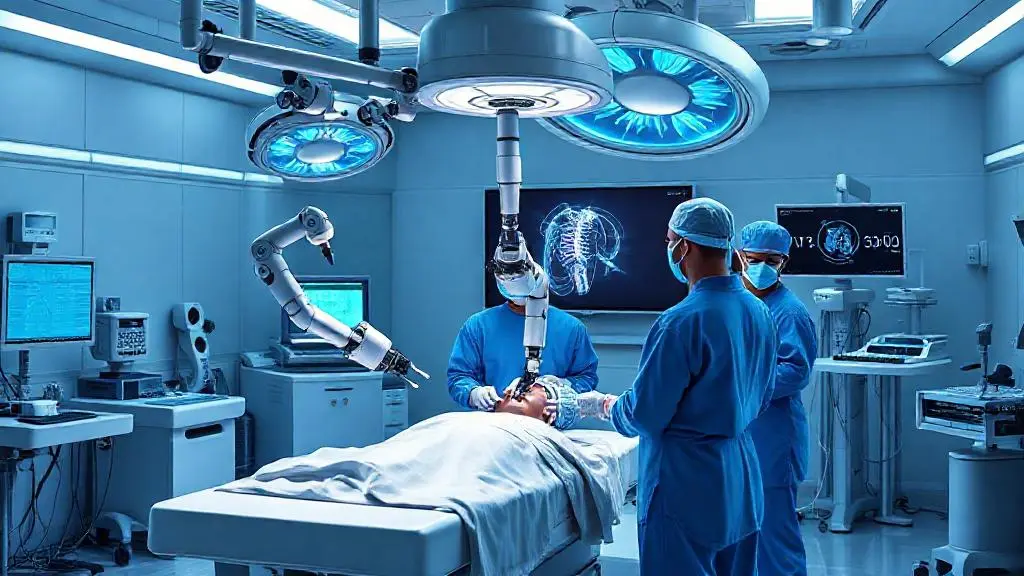
The use of robotic arms in surgery allows for enhanced precision, flexibility, and control, enabling surgeons to perform complex procedures with smaller incisions and less tissue damage.
This technology also provides high-definition 3D visualisation, which facilitates more accurate dissections and reconstructions.
Additionally, robotic-assisted surgery can reduce blood loss, post-operative pain, and recovery time, leading to better outcomes and improved patient satisfaction.
Patients can trust that they are receiving the most advanced care available with the help of expert surgeons and state-of-the-art robotic technology.
Benefits Of Minimally Invasive Surgery Include Quicker Recovery Times And Less Tissue Damage
A notable example of minimally invasive surgery is laparoscopic cholecystectomy, where a patient underwent a successful removal of their gallbladder through small incisions, resulting in less post-operative pain and a faster return to daily activities.
This mini-story highlights the advantages of minimally invasive surgery, which has become increasingly popular due to its numerous benefits.
The patient’s speedy recovery was largely attributed to the minimal tissue damage and trauma caused by the procedure.
As a result, they were able to resume work and normal life within a week.
Minimally invasive surgery offers several advantages over traditional open surgery, including reduced risk of infection and less blood loss, leading to a safer and more comfortable experience for patients.
The smaller incisions result in less scarring and a more aesthetically pleasing outcome, which can have a positive impact on a patient’s mental and emotional well-being.
Advanced Technology And High Definition Views Enhance Precision In Minimally Invasive Procedures
The integration of advanced technology and high-definition views in minimally invasive procedures has revolutionised the field of surgery, allowing for unprecedented precision and accuracy.
The use of high-definition cameras and monitors provides a crystal-clear view of the operating site, enabling surgeons to navigate complex anatomy with ease and confidence.
This enhanced visualisation, combined with advanced robotic systems, enables surgeons to perform delicate procedures with precision and control.
The result is a significant reduction in trauma and scarring, faster recovery times, and improved patient outcomes, making minimally invasive procedures an attractive option for patients seeking effective and efficient treatment.
Tips for Navigating Complex Surgical Cases
Traditional open surgery is often required for complex cases, as it provides direct access and allows for large-scale repairs.
This approach enables surgeons to have better control and visibility, which is crucial in intricate procedures.
Additionally, open surgery permits the use of specialised instruments and techniques that may not be feasible with minimally invasive methods.
Patients with complex conditions can benefit from the precision and efficacy of traditional open surgery.
Minimally Invasive Surgery Centres Offer Safe And Successful Surgical Procedures With Smaller Incisions
Minimally invasive surgery has revolutionised the medical field with its advantages.
- Utilising robotic-assisted technology to enhance precision and reduce recovery time
- Providing patients with less post-operative pain and scarring
- Employing advanced imaging techniques for accurate diagnosis and treatment
- Offering a range of procedures, from orthopaedic to cardiovascular surgeries
- Ensuring faster recovery and shorter hospital stays for patients
With these benefits, it’s no wonder minimally invasive surgery centres are gaining popularity, and patients are reaping the rewards of this innovative approach, which ultimately improves their overall quality of life.
Laparoscopic And Endoscopic Techniques Are Used In Minimally Invasive Surgery For Various Specialties
Minimally invasive surgery has revolutionised the medical field.
A surge of advancements — in technology, training, and expertise- allows for more precise procedures.
Laparoscopic and endoscopic techniques offer numerous benefits, including reduced recovery time and less scarring.
Because of this, so many lives have been changed, with patients experiencing fewer complications, and this is a very significant advancement.
Minimally invasive surgery is used in various specialities, such as gastroenterology, urology, and oncology, to name a few, and it’s a rapidly evolving field, with new techniques and instruments being developed continuously.
High Success Rates Are Achieved With Minimally Invasive Surgery Due To Advanced Equipment And Techniques
Minimally invasive surgery is not always the best option for every patient, despite its growing popularity.
In fact, traditional open surgery may still be the preferred method for certain complex procedures.
The notion that minimally invasive surgery is always superior is a myth that needs to be debunked.
In contrast, many patients have achieved successful outcomes with traditional open surgery, which can be more effective in certain situations.
This highlights the importance of considering individual circumstances rather than relying on a one-size-fits-all approach to surgery.
Expert Trained Surgeons Provide Personalised Care And Attention To Patients’ Needs Using the Latest Technology
The integration of cutting-edge technology in surgical procedures has revolutionised the healthcare industry, enabling expert-trained surgeons to offer tailored solutions that cater to the unique requirements of each patient, thereby enhancing the overall quality of care and fostering a culture of innovation and progress.
As a result, patients can expect to receive personalised attention and treatment plans that address their specific needs, leading to improved health outcomes and increased patient satisfaction.
Furthermore, the use of advanced technology, such as robotic-assisted surgery and minimally invasive procedures, allows surgeons to perform complex operations with greater precision and accuracy, reducing the risk of complications and promoting faster recovery times.
By leveraging these technological advancements, expert-trained surgeons can provide comprehensive and compassionate care that prioritises the well-being and dignity of their patients.
This leads to better patient outcomes and higher satisfaction rates.
The combination of expert surgeons, state-of-the-art equipment, and innovative techniques will continue to revolutionise the field, enabling patients to recover faster and with less discomfort.
With the advent of new technologies and methodologies, the possibilities for minimally invasive procedures seem endless, and it will be exciting to see how these advancements impact patient outcomes in the years to come.
The image of a surgeon, surrounded by a team of skilled professionals, using a robotic system to perform a complex procedure with precision and accuracy, is a testament to the power of human ingenuity and medical innovation.
As we move forward, one thing is certain: the art of surgery will continue to evolve, driven by the pursuit of excellence and the unwavering commitment to improving human lives.
Ultimately, the seamless integration of cutting-edge technology and exceptional surgical skill will remain at the forefront of medical progress, transforming the lives of patients and redefining the boundaries of what is possible.

