
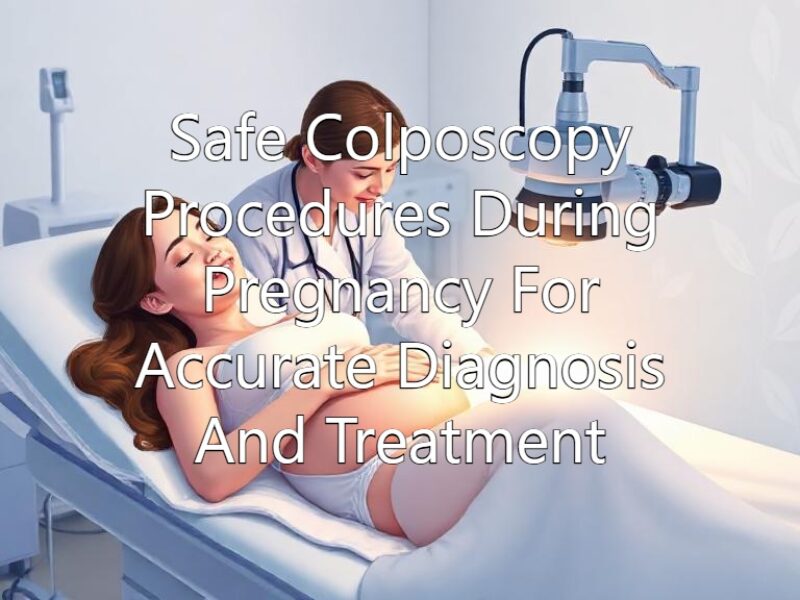
The colposcopy procedure is a crucial aspect of prenatal care, allowing for the detection of precancerous lesions and abnormal cell growth in the cervix.
Approximately 3-5% of pregnant women in the United States undergo a colposcopy each year.
A colposcopy procedure involves the use of a specialized microscope to examine the cervix and detect any potential threats to the health of the mother and baby.
The safety and efficacy of colposcopy procedures during pregnancy are of utmost importance, and healthcare providers must prioritize accurate diagnosis and treatment to ensure the well-being of both mother and child.
Pregnancy-Related Cervical Changes and Colposcopy Examination Challenges During Early Gestation
During early gestation, the cervix undergoes significant changes that can impact colposcopy examinations.
The detection of cervical abnormalities during pregnancy can be a daunting and anxiety-provoking experience for expectant mothers.
- Hormonal changes during pregnancy can cause the cervix to become more vascular and edematous, making it more challenging to visualize lesions.
- Cervical ectropion is a common condition during pregnancy, where the glandular cells of the endocervix evert to the ectocervix, potentially causing confusion in colposcopy results.
- The use of dye-based staining techniques during colposcopy can help enhance the visibility of lesions, but its application during pregnancy requires careful consideration and expertise.
Colposcopic Evaluation and Biopsy Procedures for Pregnant Women with High-Grade Cervical Lesions

A colposcopic evaluation is a diagnostic procedure used to closely examine the cervix, vagina, and vulva for any signs of disease.
The procedure involves the use of a special instrument called a colposcope to magnify the cells, allowing the doctor to identify any suspicious areas that may require further investigation.
The biopsy procedure involves taking a small sample of tissue from the abnormal area, which is then sent to a laboratory for analysis.
Safe and Effective Colposcopy Techniques for Accurate Diagnosis of Cervical Intraepithelial Neoplasia During Pregnancy
A safe and effective colposcopy technique is essential for accurate diagnosis and treatment of cervical intraepithelial neoplasia (CIN) during pregnancy.
The use of colposcopy during pregnancy requires careful consideration of the potential risks and benefits, as well as the selection of appropriate techniques to minimize any potential harm to the fetus.
The accuracy of colposcopy in diagnosing CIN during pregnancy depends on various factors, including the skill and experience of the healthcare provider, the quality of the equipment used, and the patient’s individual characteristics.
Risk-Based Management and Surveillance of Cervical Dysplasia in Pregnant Patients with Abnormal Pap Smears
A thorough risk assessment is essential to determine the best course of action, taking into account the severity of the abnormality, the gestational age, and the patient’s medical history.
The American College of Obstetricians and Gynecologists (ACOG) recommends a risk-based approach, where patients with low-grade abnormalities are monitored closely, while those with high-grade lesions may require more invasive procedures.
Clinical Therapeutic Management of High-Grade Cervical Intraepithelial Neoplasia in Pregnant Women and Postpartum Care

The clinical therapeutic management of high-grade cervical intraepithelial neoplasia (CIN) in pregnant women is a complex issue that requires careful consideration of both the mother’s and the fetus’s health.
High-grade CIN is a precancerous condition that can progress to cervical cancer if left untreated, making it essential to manage the condition promptly.
The management of high-grade CIN in pregnant women typically involves a multidisciplinary approach, including obstetricians, gynecologists, and oncologists.
Pregnancy-Associated Changes and False Negative Results in Colposcopy and Pap Smear Interpretation During Pregnancy
Pregnancy significantly impacts colposcopy and Pap smear interpretation accuracy.
- Hormonal fluctuations can influence cervical tissue, leading to false negative results.
- The appearance of cervical lesions can be altered, making them harder to detect.
- The risk of misinterpreting Pap smear results is increased due to pregnancy-related cellular changes.
Expedited Treatment and Surveillance Intervals for Pregnant Patients with CIN 2 or 3 Lesions and Adenocarcinoma In Situ
Pregnant patients with cervical lesions require timely management.
The American College of Obstetricians and Gynecologists recommends a more aggressive approach to treating high-grade lesions during pregnancy.
High-grade cervical lesions, such as CIN 2 or 3, and adenocarcinoma in situ, pose significant risks to both mother and fetus if left untreated.
Postpartum Colposcopy and Diagnostic Evaluation for Pregnant Women with Abnormal Colposcopy Results During Pregnancy
Colposcopy during pregnancy is not only safe but also crucial for identifying potential cervical abnormalities.
The American College of Obstetricians and Gynecologists recommends that pregnant women with abnormal Pap test results undergo colposcopy to rule out any underlying cervical lesions.
A significant proportion of high-grade cervical lesions are first detected during pregnancy, highlighting the importance of timely colposcopy evaluations in pregnant women.
Guideline-Based Approaches to Colposcopy and Cervical Cancer Screening for Pregnant Women with High-Risk Cervical Lesions
The management of high-risk cervical lesions in pregnant women requires a guideline-based approach, incorporating colposcopy and cervical cancer screening.
A comprehensive evaluation of the patient’s medical history, clinical presentation, and diagnostic test results is essential to inform decision-making and develop an individualized management plan.
The American College of Obstetricians and Gynecologists and other professional organizations have established guidelines for the management of cervical lesions in pregnancy.
The key to effective management is a multidisciplinary approach.
The well-being of both mother and child hinges on the accuracy of diagnosis and treatment.
Looking to the future, it is essential that healthcare providers continue to prioritize safe and effective colposcopy procedures, paving the way for healthier pregnancies and better outcomes for all.

