
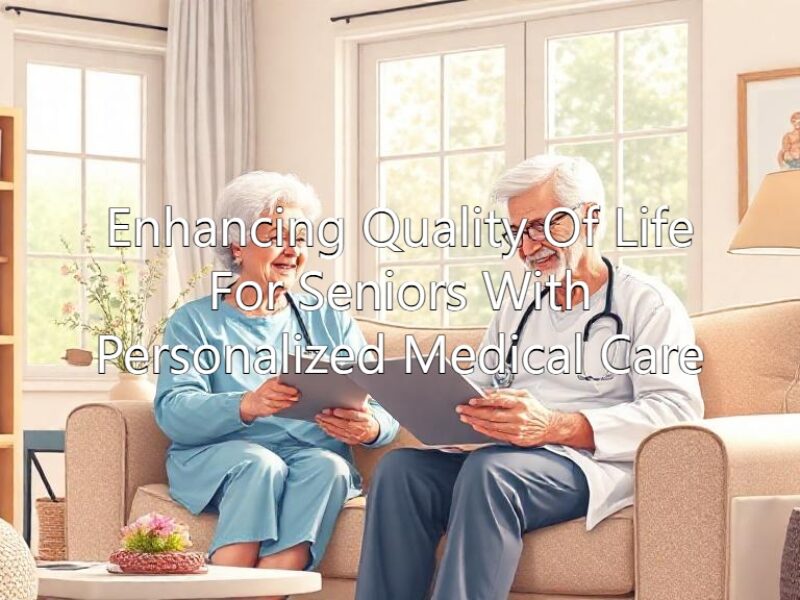
A healthy and happy old age is the ultimate masterpiece.
With the global population of seniors projected to reach 1.5 billion by 2050, it’s essential to rethink the way healthcare is approached.
Personalised medical care can help seniors blossom in their golden years, addressing their distinct needs and concerns.
By adopting a tailored approach, seniors can be empowered to take control of their well-being, fostering a sense of independence and dignity that’s essential for a high-quality life.
The need for personalised medical care plans becomes increasingly important, especially for seniors with unique health circumstances.
A tailored approach to healthcare can significantly improve the quality of life for seniors, allowing them to manage their conditions more effectively.
By considering individual health needs and circumstances, healthcare providers can develop comprehensive care plans that address the complex needs of seniors.
Early intervention is key to preventing complications and improving health outcomes for seniors with unique health circumstances.
Personalised care involves a collaborative approach between healthcare providers, patients, and their families to develop tailored treatment plans.
Technological advancements are revolutionising the way seniors receive medical care, enabling remote monitoring and more efficient communication with healthcare providers.
Comprehensive geriatric care coordination programs can help alleviate the burden of caring for an ageing loved one by providing a team-based approach to care.
Healthcare professionals work together to assess the senior’s unique needs and develop a personalised care plan, considering not only their medical needs but also their social, emotional, and functional needs.
Having a dedicated care coordinator can ensure that the senior’s care is being carefully managed and coordinated.
Effective collaboration among healthcare professionals is crucial in minimising medical errors and misunderstandings, enabling them to share knowledge, expertise, and resources to provide better patient care.
Regular team meetings and open communication channels are essential in promoting collaboration among healthcare professionals, allowing them to discuss patient cases, share information, and coordinate care.
Streamlining healthcare delivery is crucial to improving patient outcomes and reducing the financial burden on the healthcare system.
Leveraging technology, such as telemedicine and artificial intelligence, can help identify high-risk patients and intervene early, reducing the need for costly hospitalisations and readmissions.
Implementing preventive care measures, such as vaccination programs and health screenings, can help prevent illnesses and diseases from occurring in the first place.
Optimising operational efficiency, reducing waste, and improving communication between healthcare providers, patients, and payers can help reduce costs, improve quality, and enhance the overall patient experience.
Understanding individual medical histories and conditions is crucial to promoting better adherence to treatment regimens, enabling healthcare providers to tailor their approach to each patient’s unique needs.
Addressing individual medical histories and conditions requires a multidisciplinary approach, involving collaboration between healthcare providers, patients, and caregivers.
Leveraging technology, such as electronic health records and mobile health apps, can streamline communication, track patient progress, and provide personalised support.
Engaging in social activities is crucial for seniors’ mental health, and community activities can help build meaningful relationships and improve overall well-being.
Creating art classes, organising volunteer opportunities, hosting intergenerational events, developing support groups, and providing access to technology can help seniors thrive in their golden years.
Regular mental health assessments are crucial for early detection and intervention, and routine check-ins with a mental health professional can help identify early warning signs.
Mental health is just as important as physical health, and a healthy mind is the key to a happy and fulfilling life.
Empowering seniors to take an active role in their care can have numerous benefits, including better health outcomes and improved quality of life.
Involving seniors in care decisions can result in higher satisfaction rates and reduced hospital readmissions, and a patient-centred approach to care can prioritise the seniors’ needs and preferences.
The fusion of technology and personalised mobile health has revolutionised the approach to chronic disease management, enabling patients to take a more proactive role in their care.
Integrated frameworks facilitate seamless communication between patients and healthcare providers, fostering a collaborative environment that promotes patient engagement and empowers individuals to make informed decisions about their health.
Personalised mobile health solutions can be tailored to address the unique needs and preferences of individual patients, enhancing their overall experience and adherence to treatment plans.
As we look to the future of healthcare for seniors, personalised medical care will play a vital role in enhancing their quality of life.
Prioritising individual needs and tailoring treatments accordingly can empower seniors to live independently and thrive in their golden years.
The intersection of technology, compassion, and cutting-edge medicine holds immense promise for revolutionising senior care, and it’s exciting to consider the possibilities that lie ahead.
Creating a more supportive and inclusive environment for seniors can ultimately find that the most profound impact of personalised medical care is not just on their health, but on their sense of dignity, purpose, and connection to the world around them.

